How Extracurricular Activities Build Confidence and Leadership in Students
Education is more than academics. At Rays Institutions, we believe holistic development shapes confident, responsible, and capable students. Extracurricular activities — from sports and arts to leadership programs and clubs — provide opportunities for students to discover their strengths, express creativity, and develop essential life skills.
These activities are especially valuable in ICSE schools, where academic rigor can sometimes overshadow personal development. By participating in structured extracurricular programs, students learn teamwork, communication, problem-solving, and leadership, preparing them not just for exams, but for life.
Let’s explore how extracurricular activities empower students to grow in confidence and leadership.
Why Are Extracurricular Activities Important in Student Development?
Extracurricular activities play a pivotal role in shaping well-rounded individuals. They allow students to step outside traditional classrooms and engage in practical learning experiences that develop self-esteem and initiative.
At Rays Institutions, programs like sports, arts, music, debate, and student clubs help students:
- Build confidence by achieving goals and overcoming challenges
- Develop leadership skills through team activities and roles
- Improve social and communication skills through peer interaction
- Discover personal interests and talents beyond textbooks
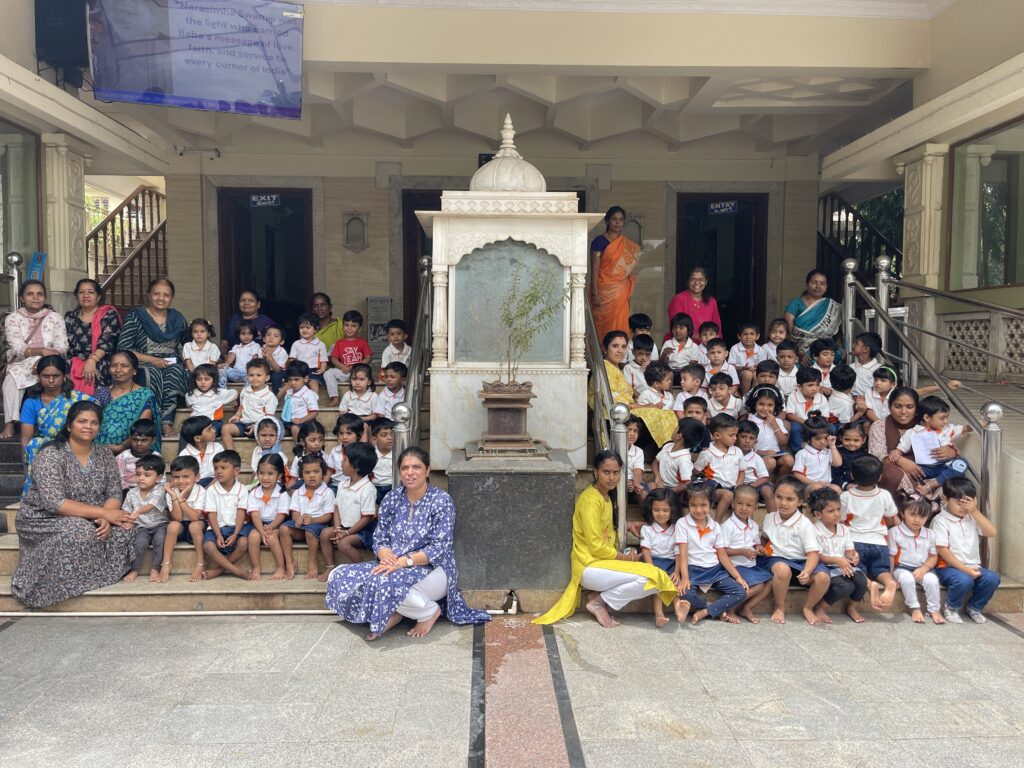
These experiences complement academics, ensuring students are emotionally intelligent, socially aware, and self-motivated.
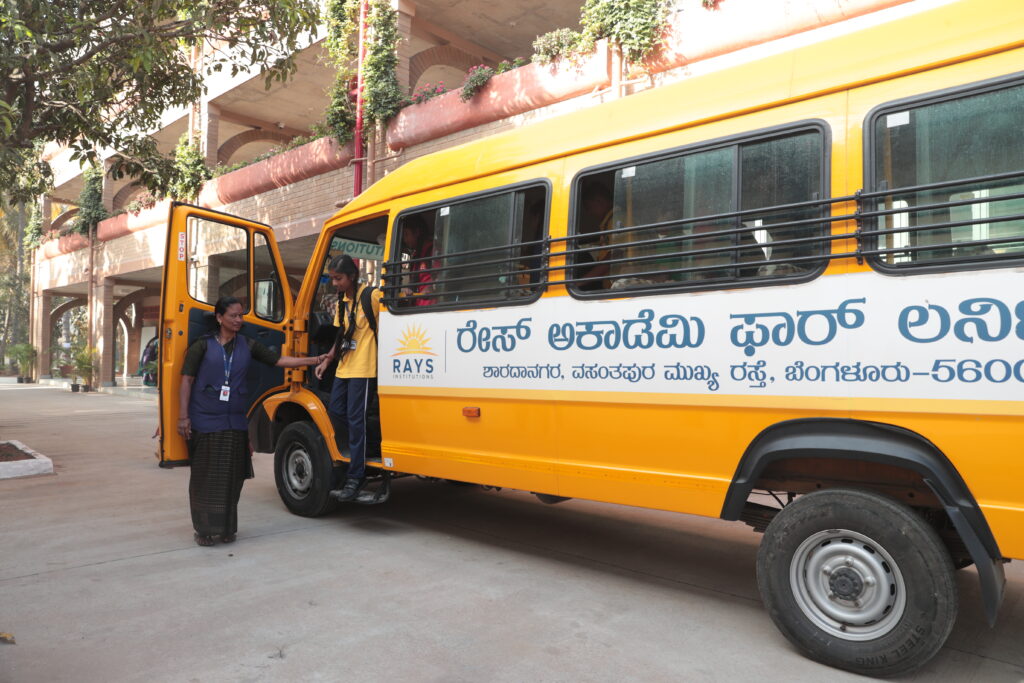
Through sports, students also understand fair play, discipline, and responsibility, crucial traits for future leaders.
How Do Sports Build Confidence and Teamwork?
Sports are one of the most effective ways to instill confidence and leadership. Students learn to set goals, face challenges, and celebrate achievements in a supportive environment.
At Rays Institutions, sports programs include football, basketball, athletics, and more. Benefits include:
Confidence: Achieving milestones boosts self-esteem.
Teamwork: Students collaborate, communicate, and support each other.
Resilience: Overcoming losses teaches persistence and adaptability.
Healthy Competition: Encourages strategic thinking and focus.
What Role Do Arts and Music Play in Personality Growth?
Arts and music provide students with a platform to express creativity and emotion, enhancing confidence in unique ways. Performing on stage or creating art pieces develops self-assurance and the ability to communicate ideas effectively.
Rays Institutions integrates arts, music, and drama into the curriculum, allowing students to:
- Explore creative thinking and innovation
- Gain confidence through performances and exhibitions
- Develop team collaboration in group projects like school plays or choirs
- Enhance focus and patience, valuable in academics and personal growth
By blending creativity with structured learning, students develop a balanced personality equipped for leadership and social interactions.
How Do Leadership Programs Help Students Take Initiative?
Leadership programs in schools are designed to help students develop decision-making, responsibility, and initiative. Rather than just learning concepts in textbooks, students experience real-world challenges that require them to lead teams, manage events, and solve problems collaboratively.
At Rays Institutions, leadership opportunities include student council roles, event coordinators, and team captains for sports and clubs. These programs help students:
- Gain confidence in public speaking and decision-making
- Learn to motivate peers and work collaboratively
- Develop problem-solving skills in group projects
- Understand the importance of accountability and ethics
Through these structured programs, students gradually evolve into self-assured leaders capable of handling responsibilities both in school and beyond.
Can Participation in Clubs Improve Communication Skills?
School clubs — such as debate, science, literature, and community service — offer interactive platforms for students to hone their communication and social skills. By actively participating, students learn to express ideas clearly, listen attentively, and collaborate effectively.
At Rays Institutions, club activities include:
- Debate and public speaking sessions to improve articulation
- Creative writing and literature clubs to encourage self-expression
- STEM clubs to enhance problem-solving and teamwork
- Community service initiatives to foster empathy and responsibility
Clubs also promote peer learning, where students share knowledge, mentor juniors, and learn leadership by example. These experiences translate into stronger interpersonal and professional skills, essential for lifelong success.
How Do Competitive Events Shape Problem-Solving Abilities?
Competitions — academic, sports, or creative — challenge students to think critically, plan strategically, and perform under pressure. Participation in competitive events strengthens resilience and decision-making, which are key traits for leaders.
Rays Institutions encourages students to join:
- Inter-school debates and quiz competitions
- Sports tournaments and athletic meets
- Art and music contests
- Science fairs and innovation challenges
These events teach students time management, stress handling, and teamwork. Winning is valuable, but learning to adapt, reflect, and improve is even more impactful for personal and leadership growth.
What Are the Benefits of Public Speaking and Debate Activities?
Public speaking and debates are powerful tools for confidence and leadership development. They teach students to:
- Structure thoughts logically and communicate persuasively
- Overcome stage fear and build self-assurance
- Engage in respectful discussions and listen actively
- Analyze problems critically and present solutions
Rays Institutions provides platforms like speech competitions, Model United Nations (MUN), and debates, helping students gain experience in articulating their ideas with clarity and confidence.
How Are Rays Institutions’ Extracurricular Programs Unique?
Rays Institutions takes a holistic approach to extracurricular activities, integrating them seamlessly with academics to ensure students develop both knowledge and life skills. Unlike schools that treat extracurriculars as optional, Rays Institutions designs programs that nurture confidence, leadership, and creativity across all grades.
Highlights of their approach include:
Diverse Offerings: From sports and arts to coding clubs and community service, every student finds an area of interest.
Structured Programs: Activities are organized with clear objectives, schedules, and outcomes.
Mentorship Support: Teachers and coaches guide students to explore talents while building discipline and teamwork.
Recognition and Motivation: Students’ efforts are recognized through awards, certificates, and public showcases, boosting self-esteem.
By combining fun, learning, and skill development, Rays Institutions ensures that extracurricular activities are not just hobbies but essential tools for confidence and leadership growth.
This mentorship ensures that every child experiences personal growth while enjoying a safe, nurturing environment.
How Do Teachers Support Students in Non-Academic Activities?
Teachers play a pivotal role in helping students succeed beyond academics. At Rays Institutions, educators act as mentors, coaches, and facilitators, encouraging students to participate and excel in various activities.
Their support includes:
- Guidance and Feedback: Teachers observe performance, provide constructive feedback, and suggest improvement strategies.
- Motivation: They help students overcome self-doubt and build perseverance.
- Skill Development: Teachers identify individual strengths and recommend activities to enhance creativity, leadership, or problem-solving.
- Team Building: Educators help students collaborate effectively, resolve conflicts, and develop interpersonal skills.
How Do Extracurricular Activities Complement the ICSE Curriculum?
ICSE schools emphasize holistic education, focusing not only on academics but also on intellectual, social, and emotional growth. Extracurricular activities complement this approach by:
- Reinforcing conceptual understanding through practical application
- Enhancing critical thinking and problem-solving skills
- Promoting social interaction and collaboration among peers
- Encouraging self-directed learning and time management
At Rays Institutions, students apply lessons from the classroom in real-world scenarios. For example, science concepts are explored through STEM clubs or competitions, while communication and leadership lessons are reinforced in debates, arts, and student councils.
By aligning extracurricular programs with academic objectives, students develop well-rounded personalities ready to thrive in ICSE examinations and life beyond school.
Are These Programs Suitable for All Grades?
Yes. Rays Institutions designs activities appropriate for every age group:
- Kindergarten & Primary: Creative play, arts, and music nurture curiosity and basic social skills.
- Middle School: Sports, clubs, and interactive activities build confidence and teamwork.
- Secondary Level: Leadership programs, debates, and competitive events prepare students for responsibilities, exams, and real-world challenges.
This age-appropriate approach ensures that students develop progressively, gaining confidence and leadership skills at every stage of school life.
How Can Parents Encourage Participation at Home?
Parents play a vital role in nurturing confidence and leadership through extracurricular activities. Simple encouragement and involvement can significantly boost a child’s engagement and growth.
Tips for parents include:
- Show Interest: Attend school events, exhibitions, or sports meets to support your child.
- Encourage Exploration: Let children try different activities to discover their talents.
- Provide Resources: Books, instruments, sports gear, or creative tools can enhance practice at home.
- Balance Academics and Activities: Help children manage time effectively so learning remains enjoyable.
- Celebrate Achievements: Recognize effort, not just results, to build motivation and self-esteem.
At Rays Institutions, parents are considered partners in the learning journey, helping reinforce skills and values gained in school activities.
Frequently Asked Questions
They complement academics by building confidence, leadership, teamwork, and social skills, helping students develop into well-rounded individuals.
Sports teach teamwork, discipline, goal-setting, and resilience—core qualities of confident leaders.
Yes. Arts and music nurture creativity, self-expression, and emotional intelligence, boosting confidence and communication skills.
Yes. Age-appropriate programs from primary to secondary levels help students progressively develop initiative, responsibility, and decision-making skills.
Conclusion
Extracurricular activities are more than fun—they are essential for personal development. They provide students with opportunities to learn leadership, teamwork, creativity, and resilience, complementing the ICSE curriculum and preparing children for lifelong success.
At Rays Institutions, students thrive in a nurturing environment where academics and activities go hand-in-hand. Whether it’s sports, arts, music, clubs, or leadership programs, each experience strengthens confidence, develops skills, and inspires students to take initiative and lead with empathy.